
"DefCamp is our international airport": the road from Bucharest to Black Hat Asia, with Diana Petroșel
At CCSIR, we believe that advancing cybersecurity for the public good starts with investing in the people who will defend it. For over 15 years, we have worked to build a community exceeding 17,000 members, and nothing makes us prouder than seeing that impact reach the global stage.
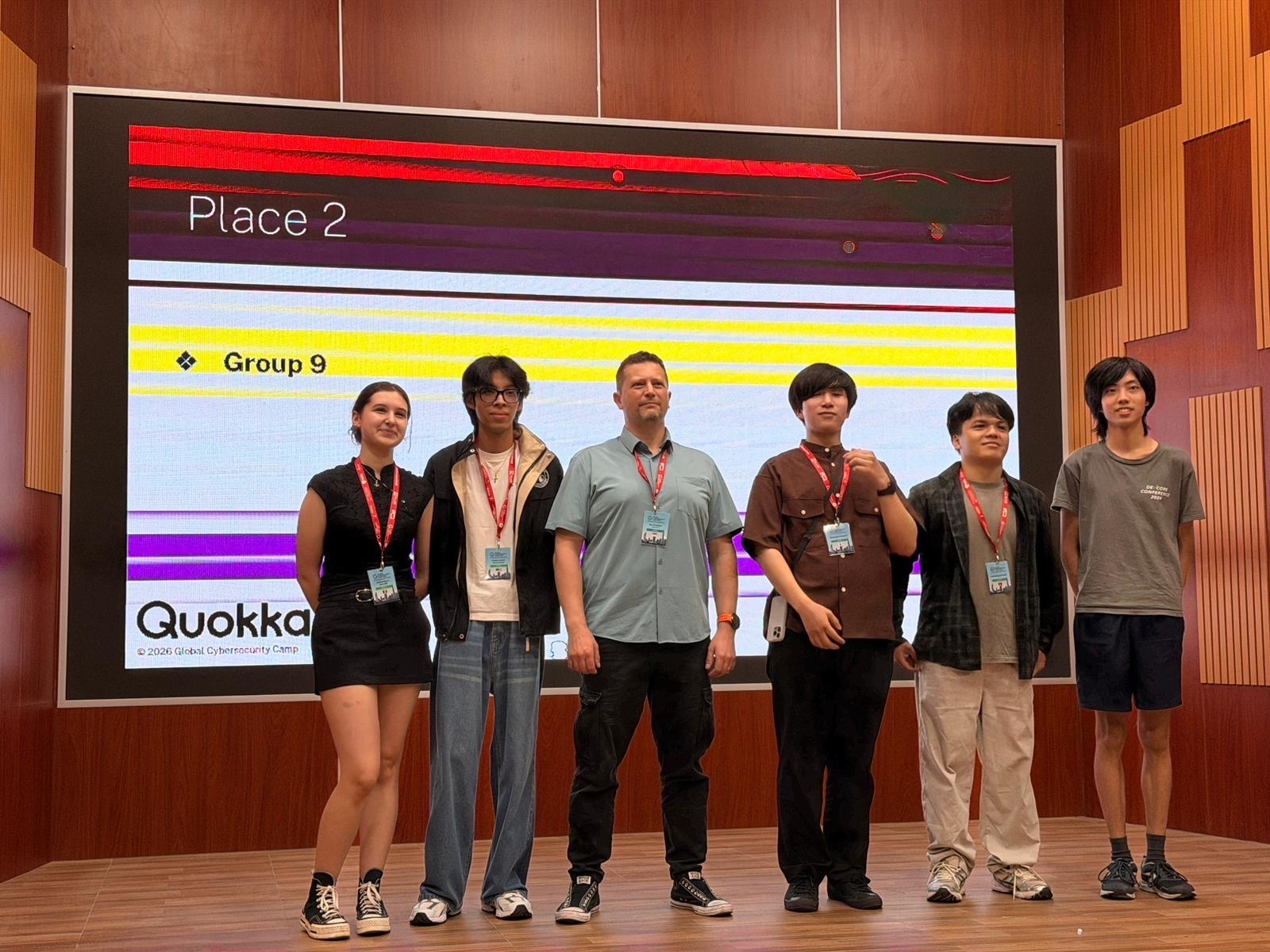
Recently, DefCamp supported three brilliant students to attend GCC 2026 in Vietnam. Among them was Diana Petroșel, who helped her team land 2nd place, a feat that earned her a voucher for Black Hat Asia 2026 (21-24 April, 2026) in Singapore.
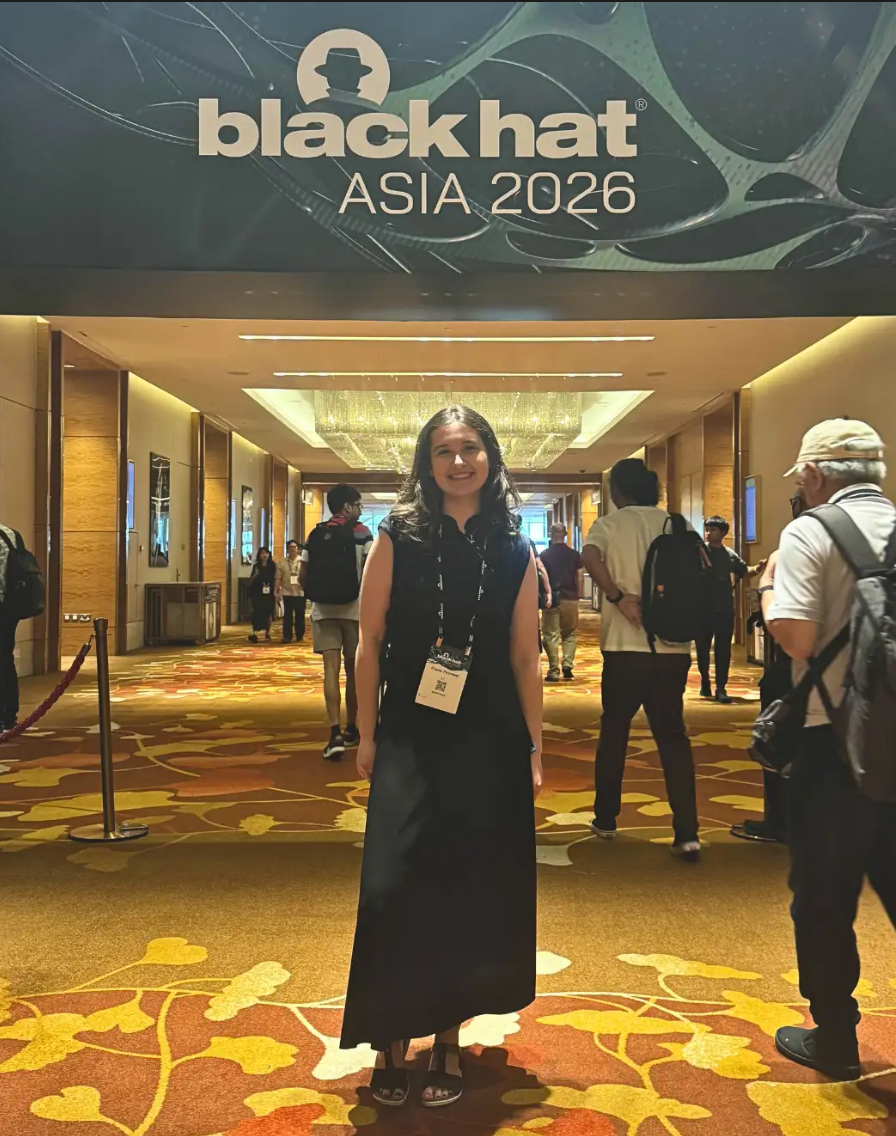
We sat down with Diana to discuss her journey, her technical "obsession", and why she believes the Romanian community is ready for its next big frontier.
The student turned ambassador
At 18, Diana is a first-year Automatic Control and Computer Science student at Politehnica University of Bucharest. While many are just discovering their path, she describes her journey as a natural evolution of a lifelong passion for computers that turned into an obsession with cybersecurity. She’s constantly pushing her limits through CTFs and personal projects, but when she steps onto the global stage, she feels the weight of her heritage. When we asked her about the significance of carrying the Romanian flag in these global arenas, she highlighted a deep sense of purpose:
"It's both an incredible honour and a genuine responsibility. Romania has no shortage of talented, hardworking young people in cybersecurity, and their dedication is something our country should be proud of. At the same time, I'm very aware that when you represent your country on an international stage, your interactions shape how others perceive everyone back home. That weight doesn't pressure me, though, it motivates me to keep growing, to learn as much as I can, and to be the best possible ambassador for what Romanian talent has to offer."

Universal language, different philosophies
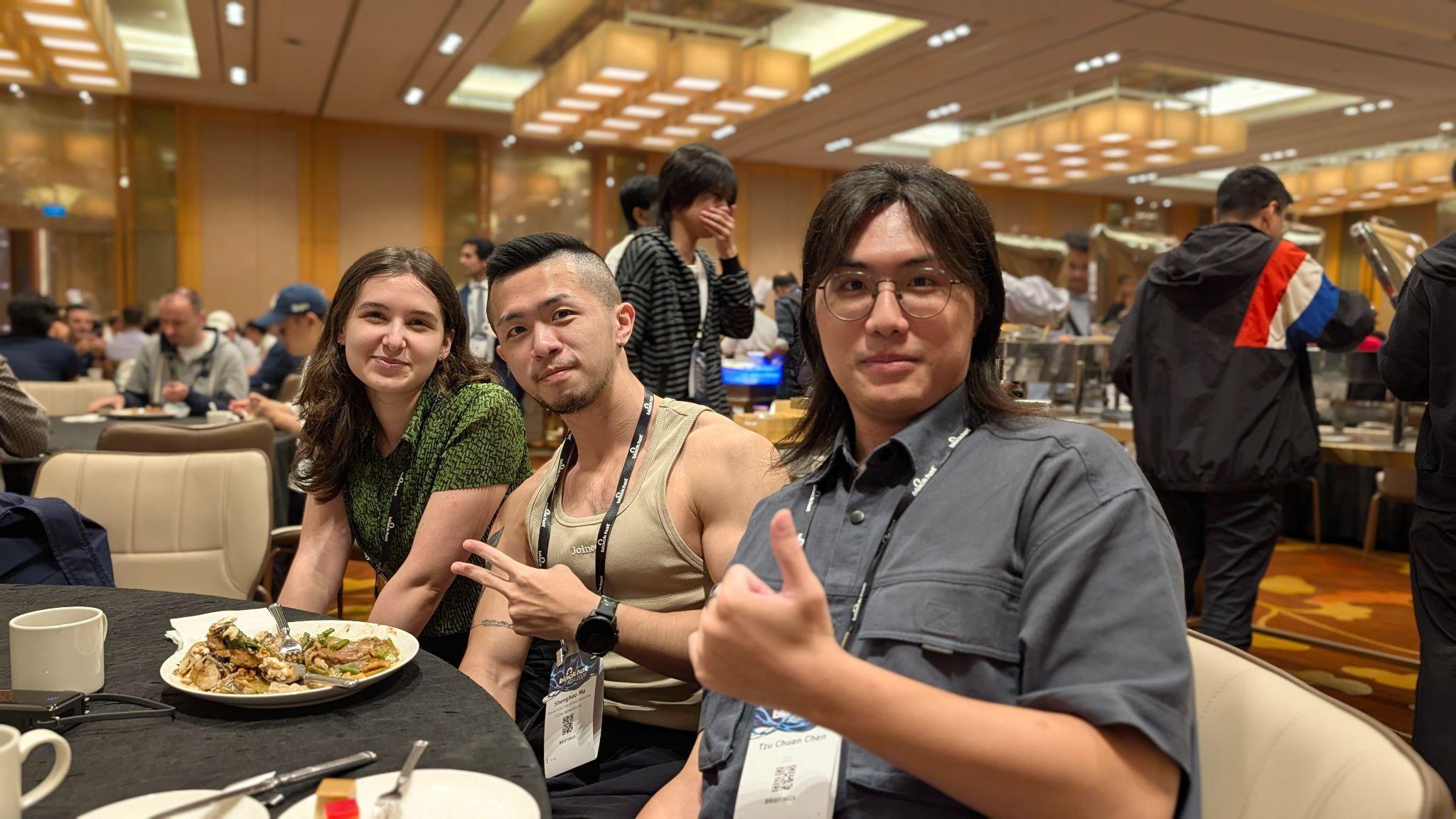
Traveling to Asia was a profound turning point for Diana, offering a perspective that went far beyond technical documentation. She observed that while the universal language of tools and methodologies remains the same regardless of geography, the cultural approach to the work itself was a revelation.
"What genuinely surprised me was traveling to Asia and experiencing a completely different work philosophy", Diana notes. For her, seeing how deeply culture shapes the way people build communities, collaborate, and relate to one another was eye-opening. This exposure to a different world-view shifted her entire approach to her career. Rather than focusing solely on the lone hacker archetype, she realized that true growth is a collective endeavor.
"The biggest personal takeaway was realising that nothing in this field is truly individual. The most effective way to grow is within a community. That pushed me to be far more intentional about connecting with Romanian experts first, and then building relationships across borders, because that's where real, lasting progress happens."
Hardware secrets from China and the research gap in Romania
When it comes to technical highlights from Black Hat Asia 2026, she was particularly captivated by hardware security. Diana shared her excitement about a research paper titled "When Flash Reveals Its Secrets: Advanced Glitching Leveraging Hidden CPU-eMMC Behavior" by China Telecom Cyber Security Technology Co.
"Their research explored how attackers can bypass SecureBoot by identifying patterns in the micro electromagnetic emissions of a CPU. This was a fascinating and genuinely complex piece of work. It also reinforced something I strongly believe: hardware and embedded security is an underexplored field, largely because the research requires specialised equipment that's difficult and costly to acquire. The Romanian cybersecurity community has real potential here, but it will require investment in equipment, in training, and in developing experts who can lead in a space where they're currently hard to find."
In infosec, lone wolves must evolve into team players
This technical resource gap in hardware hacking points to a much broader challenge: moving beyond the self-taught stage. Diana observes that while Romania is a powerhouse for beginners, we are currently hitting a ceiling when it comes to long-term professional development. The same lack of specialized hardware training is mirrored in our general approach to community growth. We have the passion, but we lack the high-level team player infrastructure.
"We're good at producing passionate, largely self-taught individuals, but we haven't yet built strong enough pathways to turn those people into high-level team players. What we need now are more structured, in-depth training opportunities: sessions with industry leaders, top CTF players, and domain experts who can push talented people to the next level. Internationally, the strongest communities are built around shared challenges and collective problem-solving. In Romania, there's still a tendency toward a more individual approach to growth, which works up to a point, but won't take us as far as we need to go. The shift toward genuine collaboration is the next frontier."
Anchoring Romania on the global map through DefCamp
Having experienced the best of many worlds recently, from the intensive training at GCC in Vietnam to the high-level research of Black Hat Asia, Diana has gained a unique vantage point on the global stage. Naturally, this journey has led her to draw comparisons between these international giants and her home community. From her point of view, DefCamp is the cornerstone that validates Romanian talent in the eyes of the global elite.
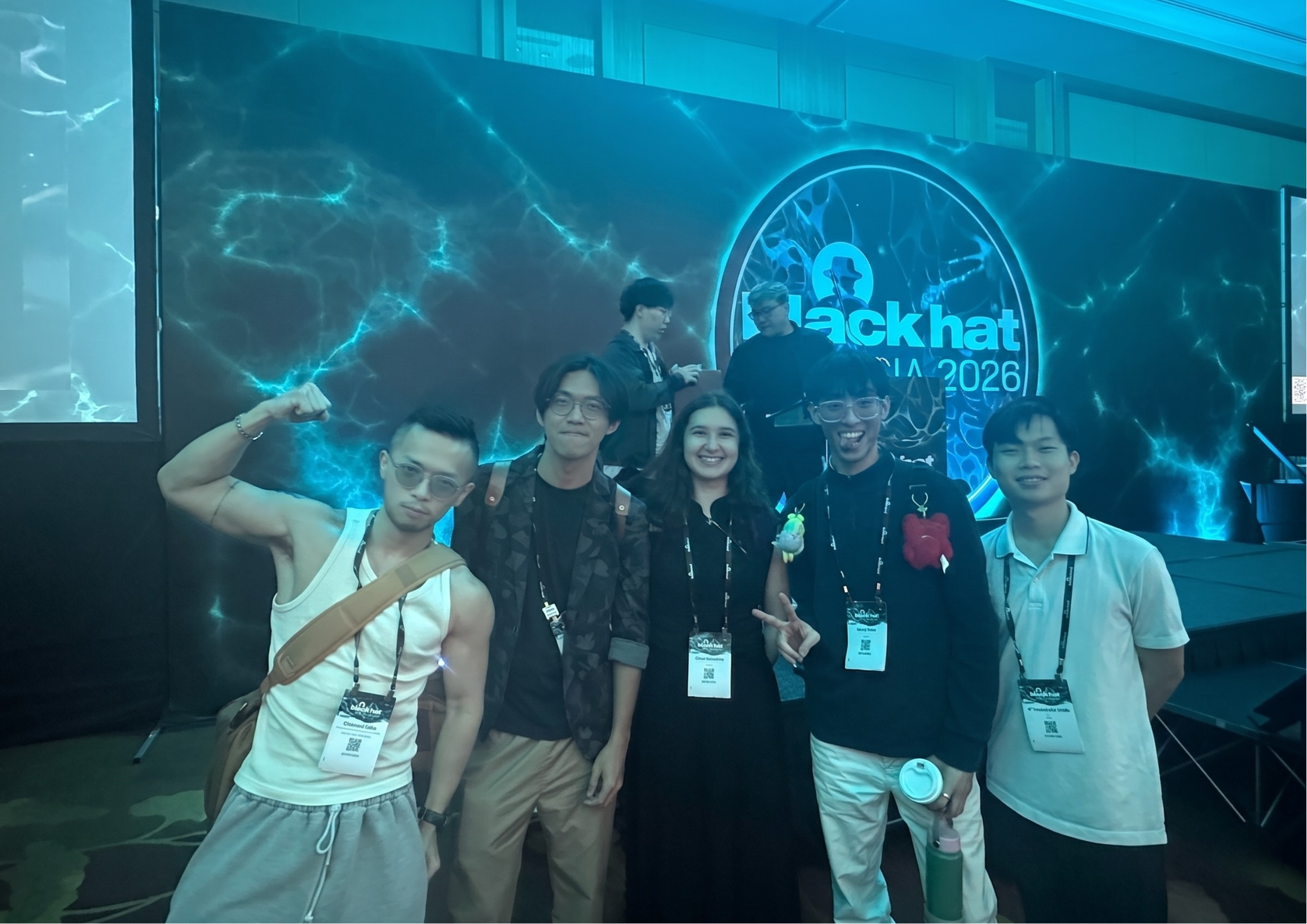
"At Black Hat Asia, I found myself in a completely new environment, surrounded by researchers and professionals from across the world, in a context I'd never experienced before. What struck me afterward was how naturally DefCamp became my reference point when talking to those new contacts. It became the place I could point to and say: come to Romania, and I'll show you our version of this. DefCamp has built a name for itself, and that name carries weight. For Romania's position in the global cybersecurity community, it functions the way an international airport does for a city: it's the gateway that makes us reachable."
How to build a successful career in cybersecurity: lessons in leadership and technical pivots
While DefCamp serves as the gateway for the world to reach Romania, Diana recognizes that staying at the forefront of this global community requires a constant personal recalibration.
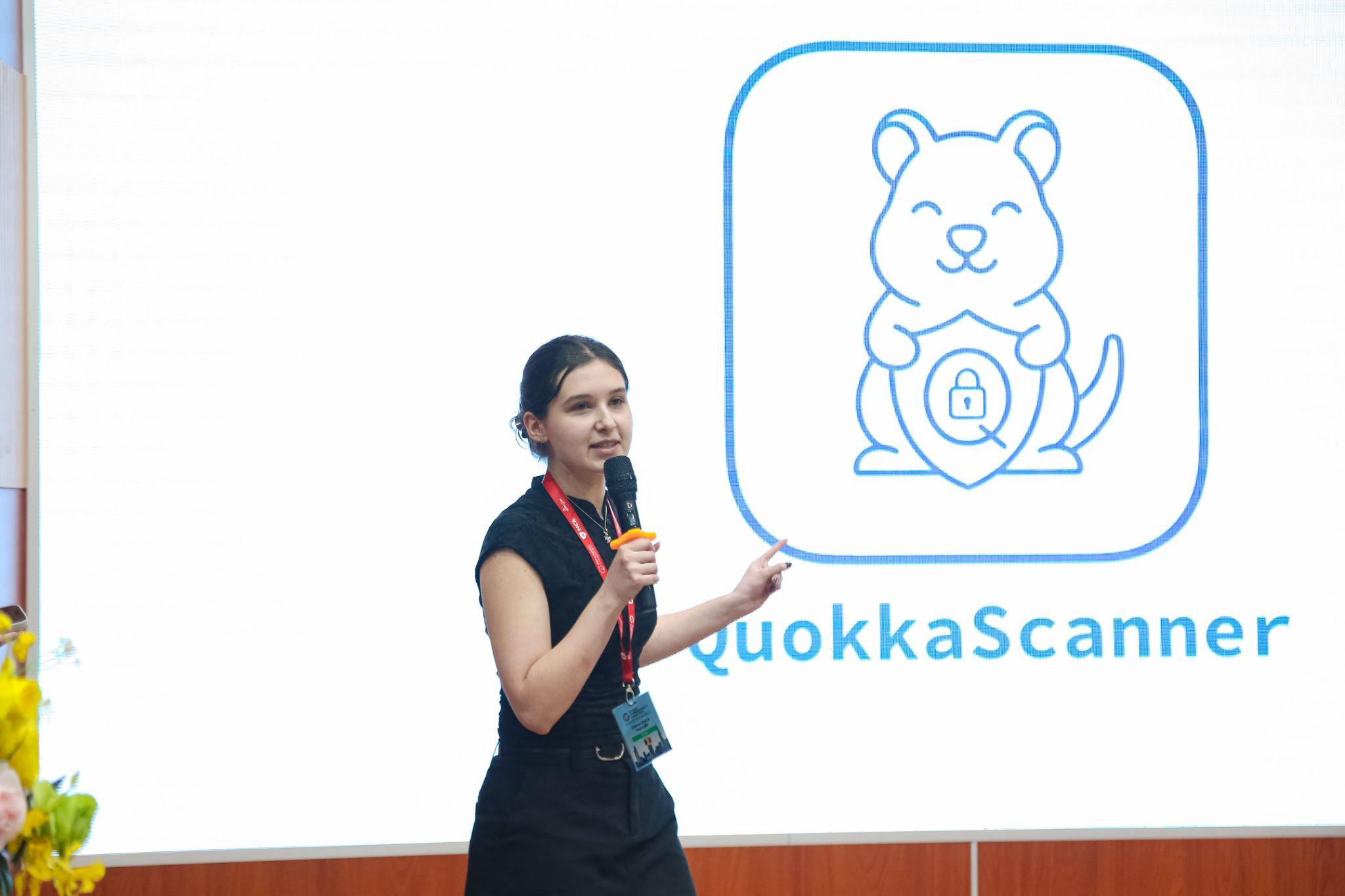
Her time at both Black Hat Asia and GCC validated the fundamentals she learned at university (in programming, mathematics, physics, and computer architecture) and redefined her understanding of where a student's responsibility truly begins.
"Black Hat reminded me that formal education can only ever be the starting point. The rest is on you. The clearest lesson I brought back from talking to students around the world was the importance of learning how to leverage AI effectively. We have to stop using it as a shortcut, and instead use it as a genuine force multiplier for whatever we're working on. That's now one of my primary focuses outside of the classroom."
Inspired by the high-intensity drills in Vietnam and the research diversity in Singapore, Diana is now moving away from her comfort zone. She is ready to develop the leadership capacity needed to sustain an international network.
"I came back genuinely inspired and the trainings at GCC pushed me to seriously reconsider my focus. I've spent a lot of time in Unix-like systems internals, but Windows is a space I haven't properly explored yet, and that's changing. On top of that, the variety of research paths I witnessed at Black Hat deepened my interest in pentesting, something I've only recently started, but which I'm now far more committed to developing seriously. Beyond the technical side, I'm also investing in learning how to be a better leader and communicator. The connections I made in Vietnam and Singapore were just a starting point. I want to maintain and deepen those relationships, collaborate on projects, and keep building a network that crosses borders."
A vision for Romania’s cybersecurity resilience
Having mapped out the path to technical mastery, Diana turns her focus to the broader mission. She sees the current fragmentation of the Romanian community as a challenge to be solved through better coordination and leadership.
For Diana, the real objective is to ensure that local expertise doesn't just excel abroad, but serves as the backbone of our national digital resilience. She has championed this mission firsthand as a trainer at the Girls in Cyber Bootcamp, organized by UNbreakable Romania, where she led the session "Reverse Engineering 101: ELF Unpacked." By investing her expertise back into the local community, Diana ensures that the next generation of defenders is equipped to transform national security into a home-grown reality.
“One of my primary goals is to address what I see as a fragmentation problem within Romania's cybersecurity community. Many of the most talented and passionate professionals in this field work in isolation, often feeling disconnected in corporate environments that do not fully engage their potential. This extends equally to students who compete independently and with considerable skill, yet remain largely under the radar, unconnected from peers who share the same drive. I intend to actively seek out and bring together both these individuals and established professionals, fostering a collaborative network that transforms isolated expertise into collective strength.
Beyond community building, I believe strong leadership and cross-cultural communication are assets I can offer meaningfully. My comfort working with international peers positions me to help Romania build bridges with broader European and global cybersecurity initiatives, both as a student and in my future career.
At a national level, I hold a firm conviction that Romania's geopolitical position demands a proactive, rather than reactive, approach to cyber defense. With ongoing threats in our regional environment, I believe the offensive against our digital infrastructure is not a future possibility but a present reality, and one we may be underestimating. I intend to dedicate myself to strengthening our preparedness, even where more lucrative opportunities abroad might exist, because I see meaningful contribution to this country's security as a long-term priority worth pursuing.
Ultimately, my goal is not simply to build a career in cybersecurity, but to move the needle on how Romania develops, coordinates, and defends its place in an increasingly contested digital landscape.”
CCSIR’s commitment to the next generation of infosec professionals
Diana’s experience, ranging from her activity in the local infosec community up until her presence in elite environments of GCC and Black Hat Asia, is the ultimate proof of concept for the work we do at CCSIR. Her transition from an ambitious student to a global representative demonstrates that when Romanian talent is met with the right resources and international exposure, it sets a high standard of what it means to bridge the gap between academic theory and high-stakes, real-world defense.
So, at CCSIR, and by extension at DefCamp, we remain committed to developing the Romanian cybersecurity landscape from a collection of isolated experts into a unified front. We wish to serve as the primary link between the local ecosystem and the global industry, providing the platform for our experts to be heard and for the world to witness the true caliber of Romanian innovation. The challenges of the digital age are a present reality, but with talents like Diana stepping forward, the future of our resilience is in capable hands.
The mission continues, and your presence is vital to the strength of our collective defense. We invite you to join the epicenter of regional innovation and global collaboration:
Save the date for DefCamp 2026.
Let’s shape the future of cybersecurity together!